
Soundtrack to ‘Happily Ever After’: Planning Your Wedding Music & DJ like a Pro
Planning the music for your wedding involves several crucial considerations to ensure that the soundtrack of your special day perfectly complements the atmosphere and reflects your unique love story. Here are enhanced recommendations, including detailed advice on working with a DJ to achieve the perfect mix:
1. Ceremony Music
Processional:
- Choosing the Right Song: The processional song sets the tone for the ceremony. Consider the emotional impact and significance of the song. Opt for instrumental versions of your favorite songs or classical pieces that evoke the right emotions.
- Personalized Song: Creating a personalized processional song through a service like “Wedding Day Anthem” can make the moment even more special and unique to your love story. This custom song can capture the essence of your journey together.
- Timing: Ensure the song is long enough to cover the entire processional, including the bridal party and the bride’s entrance. Discuss the timing with your DJ or musician to ensure a seamless flow.
Recessional:
- Uplifting and Joyful: The recessional song should be celebratory and uplifting, marking the joyous moment of your union. Choose a song that reflects your happiness and excitement.
- Personalized Touch: A custom recessional song can capture the excitement and happiness of the moment, making it truly memorable. Work with your DJ to integrate this personalized touch smoothly.
Interludes and Special Moments:
- Unity Ceremony: If you have a unity ceremony (e.g., candle lighting, sand ceremony), choose a song that reflects the significance of this moment. Instrumental or soft vocal pieces can add a touch of elegance.
- Background Music: Soft, instrumental music can create a serene atmosphere during quieter moments of the ceremony. Discuss with your DJ the best options for background music that complements the overall mood.
2. Reception Music
Cocktail Hour:
- Setting the Mood: Choose background music that sets a relaxed and enjoyable atmosphere for guests to mingle and enjoy hors d’oeuvres. Jazz, soft rock, or instrumental covers of popular songs can create the perfect ambiance.
- Genre and Style: Consider the genre and style that best fits the vibe you want to create. Communicate your preferences clearly to your DJ.
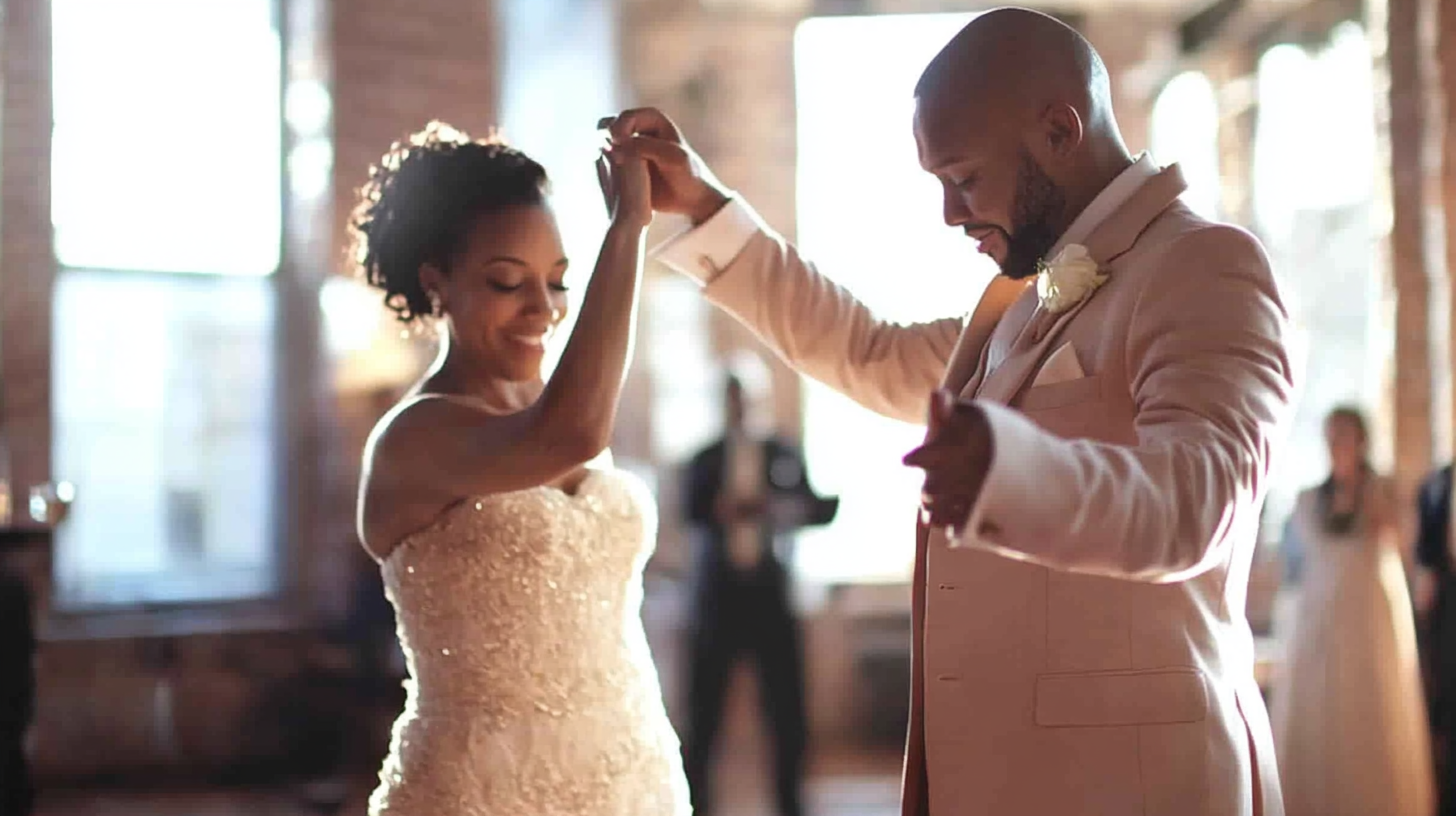
First Dance:
- Personal and Meaningful: The first dance song should be deeply personal and meaningful to you as a couple. Choose a song that resonates with your love story.
- Custom Song: Creating a personalized first dance song can make this moment even more special and unique. It can capture your love story and the emotions you want to convey. Work with your DJ to ensure the custom song is played at the perfect moment and volume.
- Choreography: If you plan to have a choreographed dance, ensure the song fits the routine and timing. Practice with the song and provide your DJ with clear instructions on when to start and stop the music.
Parent Dances:
- Emotional Connection: Choose songs that have a special emotional connection for the father-daughter and mother-son dances. These moments are often filled with sentiment and nostalgia.
- Personalized Touch: Consider personalizing these songs to make the moments even more heartfelt and unique. Discuss with your DJ the best way to integrate these personalized songs into the reception timeline.
Dinner Music:
- Background Ambiance: Select soft, instrumental music that creates a pleasant background ambiance during dinner. This music should be unobtrusive yet enjoyable.
- Genre and Style: Choose a genre and style that complements the overall theme and vibe of your reception. Communicate your preferences to your DJ to ensure a cohesive musical experience.
Party Music:
- Diverse Playlist: Create a diverse playlist that includes a mix of genres and eras to cater to all guests. Include popular hits, classic favorites, and some unique tracks that reflect your personal tastes.
- Crowd Pleasers: Include popular, upbeat songs that will get guests on the dance floor. Discuss with your DJ the best ways to read the crowd and adjust the playlist accordingly.
- Requests: Consider taking song requests from guests to ensure everyone feels included and entertained. Provide your DJ with a list of must-play songs and any songs you prefer to avoid.
3. Vendor Selection
DJ vs. Live Band:
- DJ: A DJ can offer a wide variety of music and is often more flexible with song requests. DJs can easily transition between different genres and styles, keeping the energy high throughout the night.
- Live Band: A live band can create a dynamic and energetic atmosphere but may have a more limited repertoire. Bands can add a unique and memorable touch to your reception.
- Hybrid Option: Consider a combination of a DJ and live musicians for the best of both worlds. This hybrid approach can offer the versatility of a DJ with the live energy of a band.
Experience and Reputation:
- Reviews and References: Research potential vendors by reading reviews and asking for references from past clients. Look for DJs with experience in weddings and a proven track record of success.
- Portfolio: Listen to samples of their work to ensure their style and quality meet your expectations. Ask for examples of their mixing and transitions to assess their skills.
Communication:
- Initial Consultation: Schedule an initial consultation to discuss your vision, preferences, and any specific requests. This meeting is crucial for establishing a good rapport with your DJ and ensuring they understand your needs.
- Ongoing Communication: Maintain open and regular communication with your DJ to ensure all details are covered and any changes are addressed promptly. Provide them with a detailed timeline and any special instructions.
4. Logistics and Technical Considerations
Venue Requirements:
- Sound System: Ensure the venue has an adequate sound system or that your DJ can provide one. Discuss the sound system requirements with your DJ to ensure optimal sound quality.
- Acoustics: Consider the acoustics of the venue and how they may affect the sound quality. Your DJ can provide recommendations on speaker placement and volume levels to achieve the best sound.
- Power and Setup: Confirm that the venue can accommodate the power and setup requirements of your DJ. Discuss the layout and any specific needs with your DJ to ensure a smooth setup.
Timeline and Coordination:
- Detailed Timeline: Create a detailed timeline that includes all musical cues and transitions. Share this timeline with your DJ and other vendors to ensure smooth coordination.
- Coordination: Work closely with your wedding planner or coordinator to ensure smooth transitions and timing. Regularly update your DJ on any changes to the timeline or special requests.
Backup Plan:
- Emergency Playlist: Have a backup playlist ready in case of any technical issues or emergencies. Discuss with your DJ the best ways to handle unexpected situations.
- Alternative Vendor: Consider having a backup vendor on standby if possible. While not always feasible, having a contingency plan can provide peace of mind.
5. Personalized Music
Creating a Personalized Song:
- Wedding Day Anthem: Services like “Wedding Day Anthem” can create a custom song that tells your unique love story. This personalized touch can make key moments, like the first dance or processional, even more special and memorable.
- Collaboration: Work closely with the service to ensure the song captures the emotions and significance of your special day. Provide them with details about your love story, favorite musical styles, and any specific lyrics or melodies you envision.
Incorporating Personalized Music:
- Key Moments: Use the personalized song during key moments of the ceremony and reception to create a cohesive and emotional experience. Discuss with your DJ the best ways to integrate the custom song into the overall musical flow.
- Sharing with Guests: Consider sharing the personalized song with guests as a keepsake or including it in a wedding video to relive the memories. You can also play the song during the reception as background music or during a special moment.
6. Working with the DJ to Achieve the Perfect Mix
Pre-Wedding Meetings:
- Initial Meeting: Schedule an initial meeting with your DJ to discuss your vision, preferences, and any specific requests. This meeting is crucial for establishing a good rapport and ensuring the DJ understands your needs.
- Follow-Up Meetings: Have follow-up meetings to review the playlist, discuss any changes, and address any concerns. Regular communication ensures that the DJ is well-prepared and aligned with your vision.
Playlist Creation:
- Must-Play Songs: Provide your DJ with a list of must-play songs that are essential to your wedding soundtrack. These songs should reflect your personal tastes and the overall vibe you want to create.
- Do-Not-Play Songs: Also, provide a list of do-not-play songs that you prefer to avoid. This ensures that the DJ respects your preferences and keeps the music aligned with your vision.
- Guest Requests: Decide whether you want to allow guest requests and communicate this to your DJ. If you choose to allow requests, discuss the best ways to manage them to keep the music flowing smoothly.
Timing and Transitions:
- Seamless Transitions: Work with your DJ to ensure seamless transitions between different parts of the wedding, such as the ceremony, cocktail hour, dinner, and dancing. Discuss the best ways to maintain the energy and flow of the event.
- Cue Points: Provide your DJ with clear cue points for important moments, such as the first dance, cake cutting, and bouquet toss. This ensures that the DJ is ready to play the appropriate music at the right time.
Reading the Crowd:
- Flexibility: Discuss with your DJ the importance of reading the crowd and being flexible with the playlist. A skilled DJ can adjust the music based on the energy and preferences of your guests, keeping the dance floor lively.
- Feedback: Encourage your DJ to seek feedback from you and your guests throughout the night. This helps the DJ make real-time adjustments to ensure everyone is enjoying the music.
Sound Check and Setup:
- Venue Walkthrough: Schedule a venue walkthrough with your DJ to discuss the layout, acoustics, and any specific requirements. This ensures that the DJ is familiar with the space and can plan the setup accordingly.
- Sound Check: Conduct a sound check before the event to ensure optimal sound quality and volume levels. This helps identify any potential issues and allows the DJ to make necessary adjustments.
Communication with Other Vendors:
- Coordination: Ensure that your DJ communicates with other vendors, such as the photographer, videographer, and wedding planner. This coordination is essential for smooth transitions and capturing key moments.
- Timeline Sharing: Share the detailed timeline with all vendors to ensure everyone is on the same page. Regular updates and communication help maintain a cohesive and well-organized event.
By considering these important issues and working closely with your DJ, you can ensure that the music for your wedding perfectly complements the atmosphere, reflects your unique love story, and creates unforgettable memories for you and your guests. A well-planned and executed musical experience will enhance the overall enjoyment and emotional impact of your special day.