The Symphony of Celebration: Unveiling the Profound Impact of Music on Weddings
Music is the language of emotion, a universal tongue that transcends words and speaks directly to the heart. In the realm of weddings, its power is amplified, transforming a special day into an unforgettable experience etched in the annals of memory. From the delicate prelude to the grand finale, music orchestrates the emotional journey of a wedding, weaving a tapestry of sound that reflects the unique love story of the couple. Understanding the significance of music in each stage of the wedding allows couples to curate a soundtrack that resonates with their personalities, sets the desired ambiance, and leaves an enduring impression on every guest.
The Ceremony: A Sacred Overture
The wedding ceremony, the heart of the celebration, is a moment of profound significance, marking the official union of two lives. Music, carefully selected for this sacred ritual, plays a crucial role in shaping the emotional landscape. It sets the tone, amplifies the sentiments, and creates an atmosphere of reverence and joy.
- The Processional: As the wedding party makes their entrance, the processional music sets the stage, announcing the beginning of a beautiful new chapter. Traditional choices like Pachelbel’s Canon in D evoke a sense of timeless elegance, while contemporary pieces or personally meaningful songs add a touch of individuality. The music builds anticipation, culminating in the arrival of the bride, a moment often underscored by a piece of symbolic grandeur, such as Wagner’s Bridal Chorus. This carefully chosen music reflects the couple’s shared aesthetic and the emotional weight of the moment.
- Interludes & Reflections: During the ceremony, interludes of music can punctuate key moments, offering spaces for quiet contemplation. These musical interjections can accompany the lighting of unity candles, the reading of vows, or the signing of the marriage certificate. The gentle melodies create a sense of intimacy and underscore the significance of these rituals. Instrumental pieces, such as classical guitar or string quartet arrangements, often provide a fitting backdrop for these reflective moments.
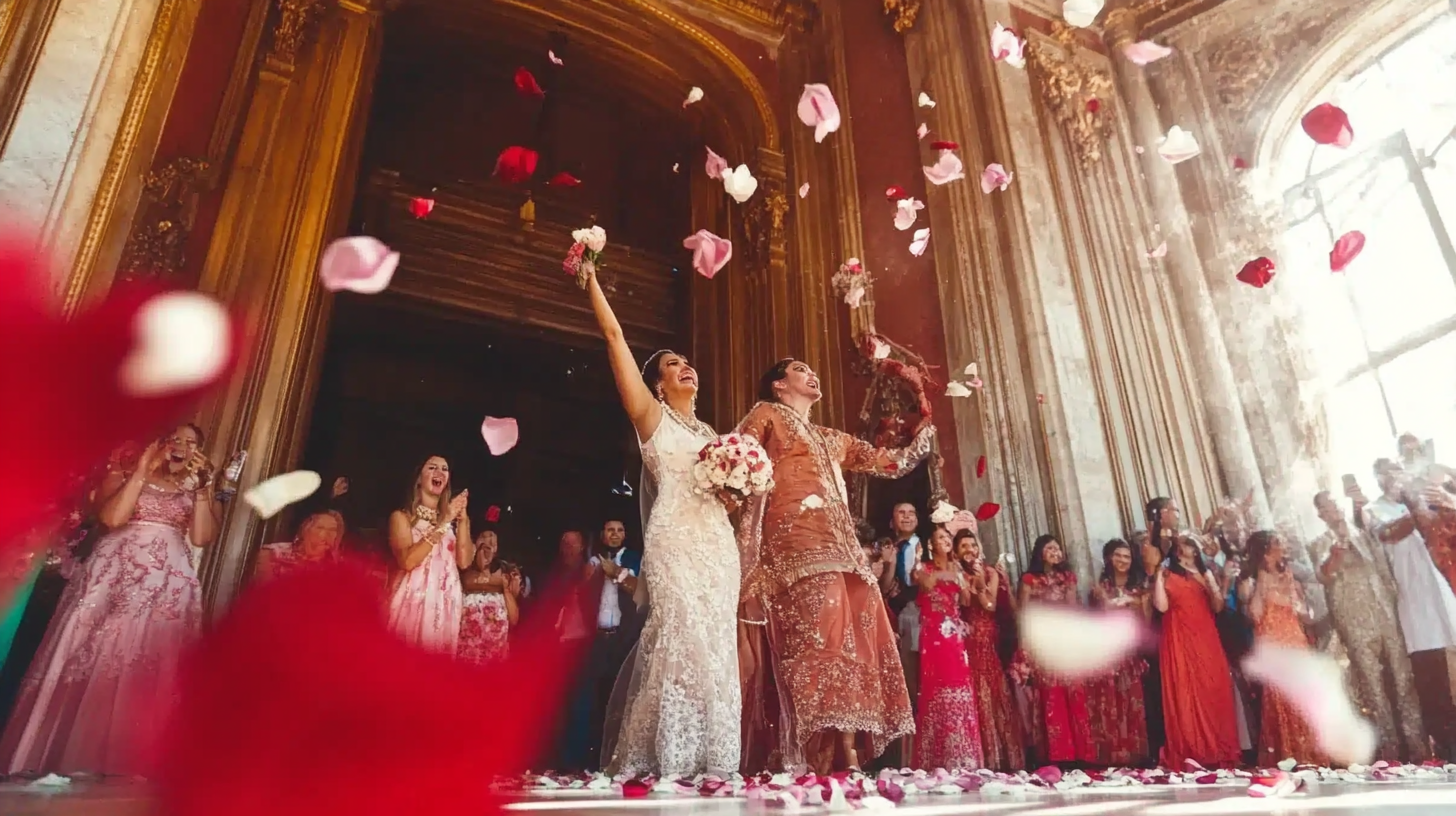
- The Recessional: The recessional music marks the joyous culmination of the ceremony, celebrating the newly united couple as they embark on their journey together. Uplifting and celebratory, this music often contrasts with the more solemn tones of the processional, signifying the transition from anticipation to joyful union. Choosing a piece that reflects the couple’s shared enthusiasm and the excitement of their new beginning creates a powerful and memorable exit.
The Reception: A Crescendo of Celebration
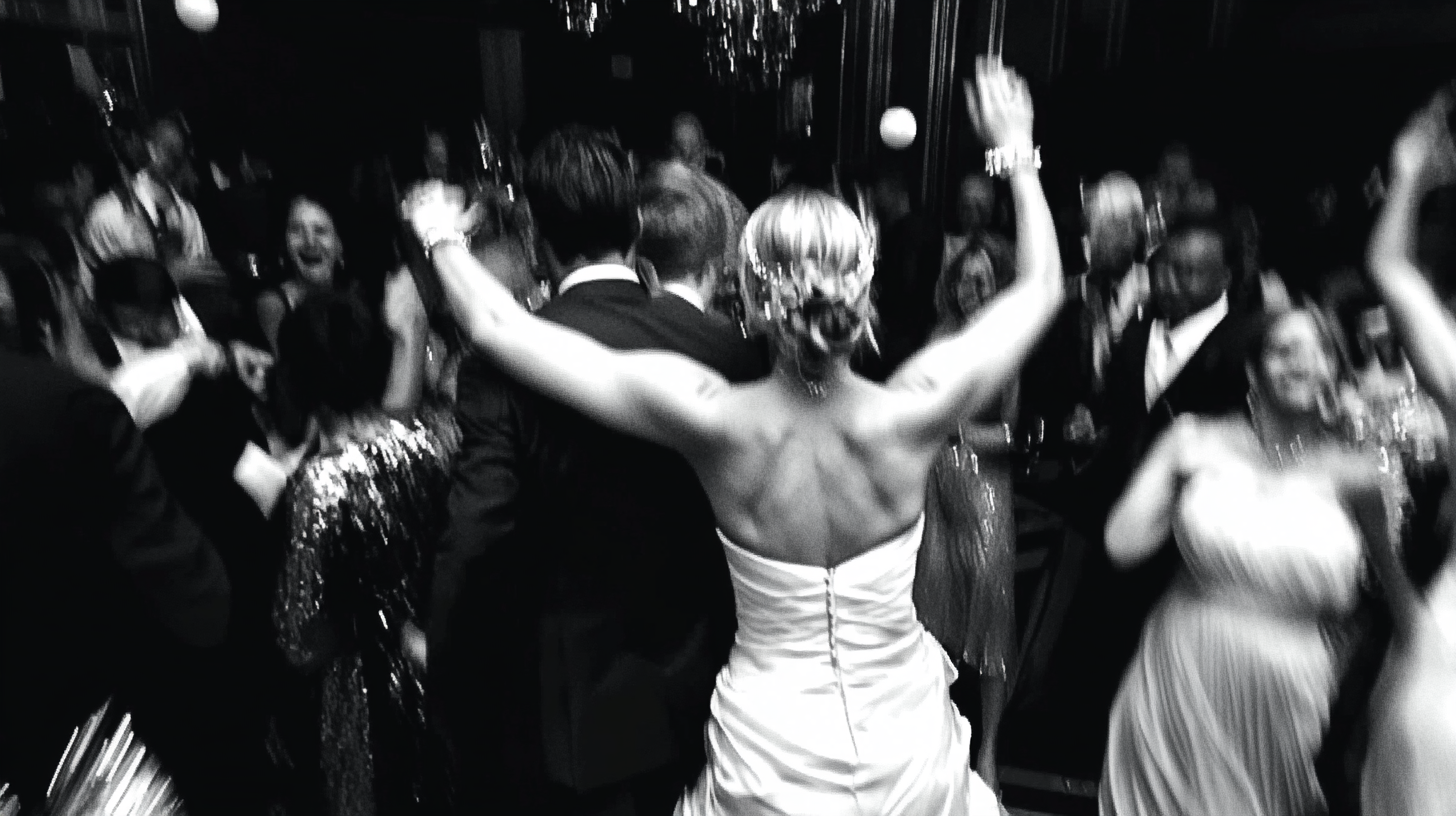
The wedding reception is where the celebratory spirit truly unfolds, transitioning from the formality of the ceremony to an atmosphere of joyous revelry. Music is the driving force behind this transformation, shaping the mood and encouraging guests to embrace the festive spirit.
- Cocktail Hour Sophistication: As guests mingle and enjoy pre-dinner drinks, the cocktail hour music sets a tone of relaxed sophistication. Light jazz, bossa nova, or acoustic covers of popular songs can create a pleasant ambiance that encourages conversation and sets the stage for the evening’s festivities. This period provides an opportunity to showcase the couple’s diverse musical tastes while maintaining a refined atmosphere.
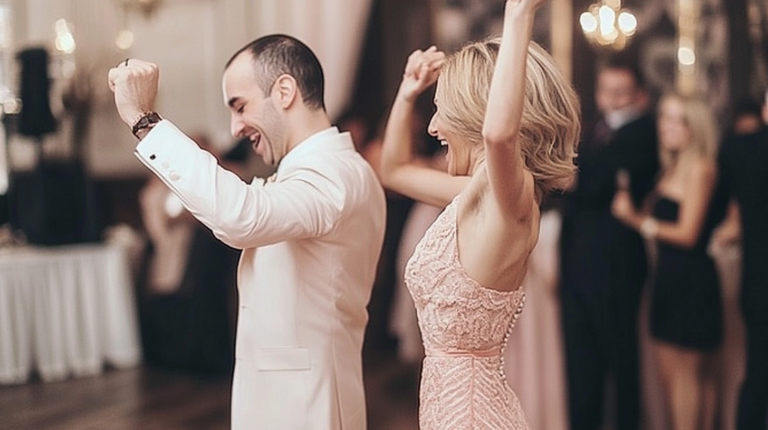
- Dinner & Dancing: Building the Energy: As the reception progresses, the music gradually transitions to reflect the increasing energy and excitement. During dinner, background music should be pleasant and unobtrusive, allowing guests to converse comfortably. As the dance floor opens, the tempo increases, encouraging guests to join the celebration. A skilled DJ or band can seamlessly blend different genres and eras, catering to a diverse range of musical preferences and ensuring a dynamic and engaging experience for all.
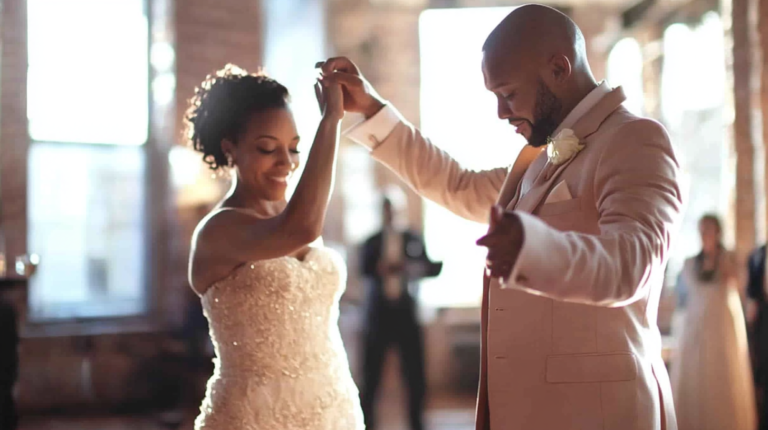
- The First Dance: A Timeless Melody: The first dance, a cherished tradition, is a pivotal moment in the wedding reception. It symbolizes the couple’s commitment and love, witnessed by their closest family and friends. The chosen song becomes an auditory representation of their unique bond, forever intertwined with the memory of this intimate dance. Whether it’s a classic romantic ballad, a contemporary love song, or a tune with personal significance, the first dance music should resonate with the couple’s shared story and create a magical moment that encapsulates their love.
Wedding Entertainment: The Conductors of Celebration
Choosing the right entertainment is paramount to setting the desired tone and ensuring a memorable reception. Live bands bring energy and dynamism to the celebration, interacting with guests and creating an electrifying atmosphere. DJs offer versatility, seamlessly transitioning between genres and accommodating specific song requests. String quartets or classical musicians provide an elegant touch, perfect for the ceremony or cocktail hour. The choice of entertainment should align with the overall vision for the wedding and the desired level of formality or informality.
Wedding Planning: Harmonizing the Musical Elements
Integrating music seamlessly into the wedding planning process requires careful consideration and strategic decision-making. Defining the overall style and ambiance of the wedding is the first step. A romantic and elegant affair calls for different musical choices than a rustic bohemian celebration or a modern, chic gathering. Factors such as budget, venue acoustics, guest demographics, and personal preferences should all inform the music selection process.
- Budgetary Considerations: Allocating a realistic budget for music and entertainment is essential. Live bands often command higher fees than DJs, while solo musicians or string quartets offer a more budget-friendly option. Clearly defining budgetary limitations from the outset can help narrow down the choices and ensure a financially sound decision.
- Venue Acoustics: The acoustic properties of the venue play a significant role in the choice of music and entertainment. A large ballroom requires a more powerful sound system than an intimate garden setting. Considering the venue’s acoustics ensures that the music is enjoyed at its optimal quality, enhancing the overall experience.
- Guest Demographics: Understanding the musical preferences of the guests can help create a playlist that resonates with a wider audience. A mix of genres and eras can cater to diverse tastes, ensuring that everyone feels included in the celebration.
- Personalization Through Music: Incorporating personalized music choices adds a unique touch to the wedding, reflecting the couple’s individual story and shared journey. Special songs for the grand entrance, cake cutting, father-daughter dance, and other key moments can create lasting memories and add sentimental value to the celebration.
- Professional Guidance: Consulting with experienced wedding planners, DJs, or bandleaders can provide valuable insights and expert advice. They can offer recommendations tailored to the specific needs and preferences of the couple, ensuring a cohesive and harmonious musical experience.
Beyond the Reception: Extending the Musical Journey
The influence of music extends beyond the main events of the wedding day. From pre-ceremony preparations to the post-reception send-off, carefully curated playlists can enhance every moment. Music can create a relaxed and celebratory atmosphere while getting ready, provide a pleasant backdrop during cocktail hour and dinner, and keep the energy high during the after-party.
By recognizing the profound impact of music and thoughtfully curating the soundtrack to their wedding, couples can create an immersive and unforgettable experience. Music has the power to evoke emotions, tell a story, and create a lasting impression on every guest. The perfect wedding music isn’t just a collection of songs; it’s a symphony of emotions, a testament to the couple’s unique love story, and a celebration of the beginning of their lifelong journey together.